AmplifyME
AmplifyME
Client Login

Building Your Leader Brand Β· 15th May, 2023

The 1$ A.I. wave 🌊 to Facebook Ads Success, with Dennis Yu

47:07
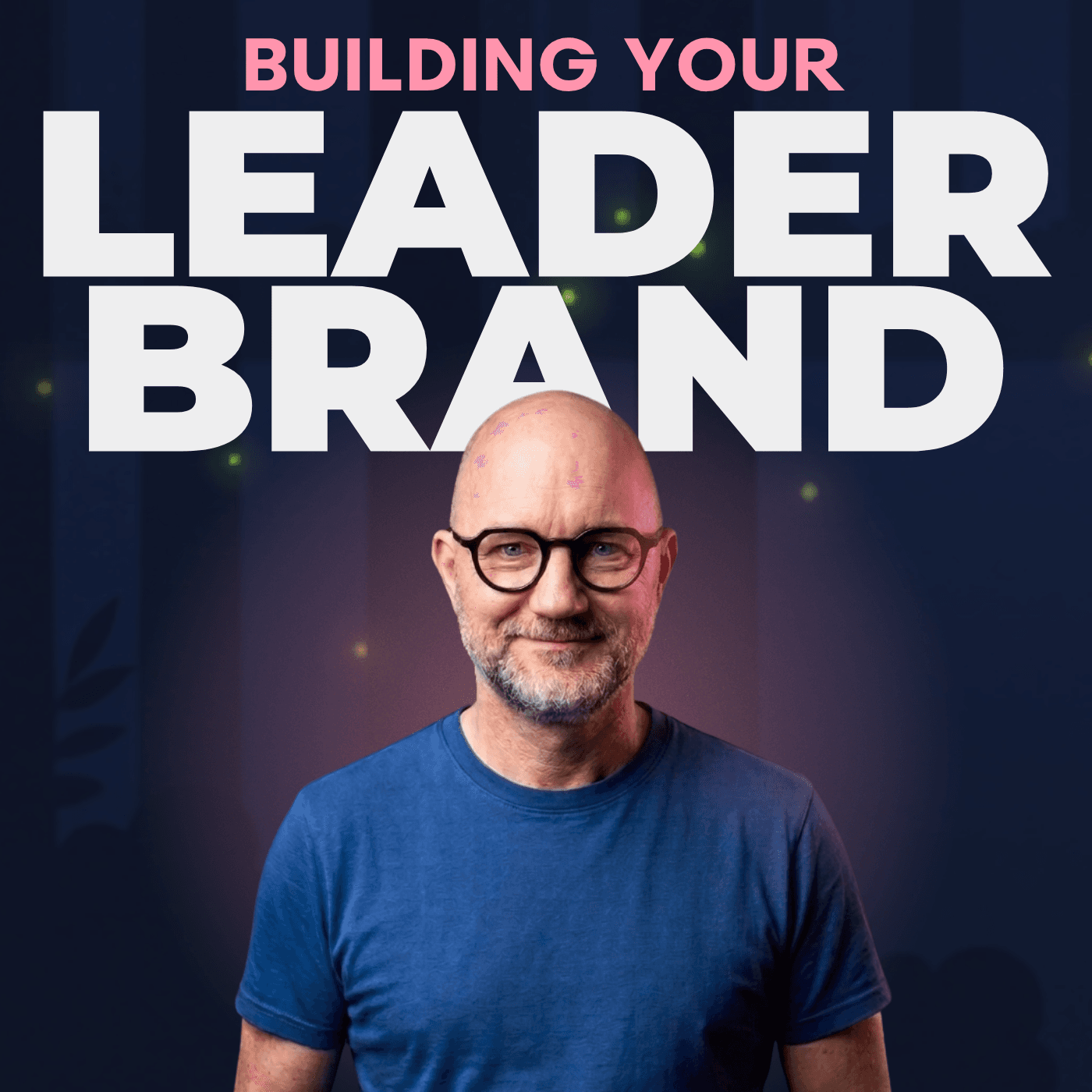
The 1$ A.I. wave 🌊 to Facebook Ads Success, with Dennis Yu

AmplifyME Podcast Β· 2023-05-15

The 1$ A.I. wave 🌊 to Facebook Ads Success, with Dennis Yu
0:00 / 0:00

Get ready to dive into the captivating world of digital advertising and marketing with a true industry titan.

Our guest today is none other than Denis Yu, a remarkable guy who's left an indelible mark on the advertising landscape. With a remarkable track record and a wealth of experience, Denis has established himself as a force to be reckoned with in the world of online advertising.

Denis is a co-author of the highly acclaimed book, "The Definitive Guide to TikTok Ads," which skyrocketed to the top of the Amazon bestseller list. Drawing from his extensive knowledge and expertise, Denis has become an authority on harnessing the power of TikTok as a platform for advertising and marketing success.

But that's not all. With a staggering one billion dollars spent on Facebook ads, both through his own agencies and those he advises, Denis has proven time and again that he knows the secret recipe to creating impactful and highly successful campaigns.

If you're wondering about his intriguing moniker, "the million jobs guy," fear not. We'll delve into the fascinating story behind this nickname, uncovering the unique experiences and insights that have shaped Denis's career.

----

Get your copy of my Personal Brand Business Blueprint

It's the FREE roadmap to starting, scaling or just fixing your expert business.

www.amplifyme.agency/roadmap

----

Subscribe to my Youtube!!

Follow on Instagram and Twitter @bobgentle

Join the Amplify Insiders Facebook Community : www.amplifyme.agency/insiders

Please take a second to rate this show in Apple Podcasts. ❀ It will mean a lot to me.

Mentioned in this episode:

Signature Studio

Get started today - signtaturestudio.me

Read transcript
You. Welcome to amplify the personal brand entrepreneur show Today on the show, Bob is speaking with Dennis. You. Only keep the things that are hell yes if it's like pretty good or maybe or it could maybe be a good deal. Or this person could maybe turn into this one. Or this client could maybe there's no maybe. There's no like it could be oh, it's just like with hiring, oh, there's this candidate and I kind of like them, but there's this one thing that's questionable because maybe they could the minute there's a maybe, the answer is no. Maybe means no. So hell yes is the only answer. So hi there and welcome back to the Personal Brand Business Show. My name is Bob Gentle and every week I speak with incredible people who share their secrets to building, marketing and monetizing your expertise intentionally growing a unique personal brand and the mindset you need for your business to grow and thrive. If you're new to the show, then while you still have your device in your hand, then take a second to subscribe. That way you won't miss a single thing. And if you're a regular listener or viewer now on YouTube, then consider sharing this show with just one person. It's the very best way that you can help the show grow and help me reach more people. And then while you have the device in your hand, hit the subscribe button. And if you're on YouTube, for bonus points, hit the like button as well and comment. YouTube will really thank you and I will too. It will make me smile all day. So this week's guest is co author of the number one best selling book on Amazon, the definitive guide to TikTok ads. I have so many questions there. He has spent a billion dollars on Facebook ads across his agencies and agencies he advises. And he's also known as the million jobs guy. And we'll get into that in the world of ads and marketing. You can sum him up and I'm going to butcher a Ron Burgundy quote here as people know him. Dennis Yu, welcome to the show. Thank you, Bob. And you are one of the most gentle people and such an honour to be on your show. Well, my interview may end up punching you in the face. I doubt it very, very much, but yeah, I'm very excited to speak to you. You're someone I've seen rolling around social media. And in terms of agency land, there are very few strong personal brands, there are lots of big names, but one of the things you often see in agencies is people hide behind the agency brand. It's rare that you know somebody's name before you know the agency that they work with. And that's one of the reasons I really admire hire what you do and how you do it. But for the listener who's meeting you for the first time, can you maybe just start by telling us a little bit about who you are, where you are, the kind of work you do. I'm known for the dollar a day method, three by three grid. You've probably seen me social media examiner, digital marketer, any of the major TV networks or stations, if you name it, you've probably seen me on it. But I'm just a search engine engineer. I built the analytics at Yahoo 25 years ago or so. I'm a math guy and so I take a numeric analytic approach to digital marketing. So there's so much data, and data is what fuels advertising. So with a lot of the dollar a day techniques, which you may have heard of, it's doing a lot of testing against a lot of ads, a lot of creatives, and it started initially with search engines, but it's moved to social media. So I've been very lucky to be there at the right time when Facebook ads came about. And then that led to things like TikTok paying us a lot of money to write a book and do training and things like that. So I'm here to create jobs. I'm well known in Pakistan and Brazil and other sorts of places where there's a lot of virtual assistants, so we want to train up tonnes of virtual assistants to help our American and UK counterparts. So I want to get into the million jobs thing. I'm going to park that for a little while because I want to start really with the dollar a day thing. I speak to a lot of people who spend a lot of money on Facebook ads, and the question I always ask is with my advocate for the micro business owner hat on, I'm often asking the question, what's the minimum budget you should realistically expect to be spending on Facebook ads before you could expect to see any result? Because for a lot of my audience, they really are very small businesses. There are some big businesses listen as well, but a lot of them, they really are under 100 grand a year a lot of the time. And the answer that I normally get is, if you're not spending probably a grand a day, then you should probably not expect to see any significant results. And your dollar a day strategy is the complete antithesis of that. It really is 100% accessible. And before our call, I spent a little bit of time looking into what that is, just refreshing myself. But for the listeners, maybe listening to the idea of a dollar a day thinking, hey, I could do that, what does it look like? Obviously, you can't go too deep in it, but what does the strategy look like? What should people expect out of it? What's the difference that you've seen it make? So most people, when they jump into advertising of any sort, they don't have a strategy. So advertising doesn't fix a broken business model. So what do I mean by strategy? Strategy, we break down into the components of goals, content, and targeting. So if you have a functioning business where you're helping your clients achieve a business goal, and you have a very clear target of who exactly you serve, who has a particular problem, and you have a particular methodology, product or service, maybe you're a consultant. If you have the goals, content and targeting in place, and you have happy customers, happy clients that are happy to talk about you, you have reviews, then dollar a day amplifies what you already have. So dollar a day is an amplifier. It gets you more of what's already working. But if you don't have a business model, dollar a day doesn't help you. So if you're driving in the wrong direction or you don't know what direction to drive, and you're able to double your speed, is that going to help you get to your destination faster? It's not. Something I encounter quite often is people are really, really good at what they do, but it's entirely driven through word of mouth. So they've never had what you might describe it as a functional funnel outside of relationships. So when you're talking about a business that works, are you talking about a functional funnel online that works in some shape or form and then you can amplify that? No, I'm talking about a business that works where you have happy customers independent of the internet. Right. If you have a clear customer that you are doing good things for. So I have a friend, Dr. Laura. She's in Oxnard, California. She runs a med spa. And up until recently, she had no online presence. But she's Harvard trained. She's very, very good at what she does. She's a fantastic surgeon, but her marketing is garbage, right? And she thought this is something for all these engineers and marketing geeks and all these other experts and agencies. And so she got ripped off a bunch of times because she's a great doctor. But she said in her words that she's a tech tard. And I said, no, Doctor Laura, you have a great personal brand, you have good word of mouth, but you're not amplifying the ingredients of what you have into Facebook, google, my business TikTok, Facebook and all that. But she said, well, I can't sing and dance, I'm not a YouTuber, I'm not some young kid who can do tricks and things like that. And I said, that's not what social media is. That's what the consultants would trick you into thinking that it is. But what you said, Bob, is right. If you have happy clients and that kind of word of mouth and reputation and referral is there, then digital is an amplifier of it if you use it properly. So getting a little bit nerdy for a second when you have a dollar a day. And we're looking specifically at Facebook ads in this situation. The mythology around Facebook ads is that if you don't spend a lot of money, then you're not going to allow the algorithm to really stretch its legs and understand how your audience is going to react in order that the IA can train itself into who's going to react and convert for you. Now, obviously, this is opinion. The dollar a day strategy, I know you've proven it over many, many years, so we know it works. So what's different in your philosophy around the targeting that would perhaps offer an antidote to that false mythology around you must be spending lots of money? So there's two ways to think about targeting. So let me say one thing first and I'll explain those two ways. One is that a dollar a day doesn't give you as much traffic as you used to get. It's like the dollar menu. The hamburgers get smaller and smaller. I remember 16 years ago, a dollar would give you 4000 impressions and maybe even 6000 impressions. It was about a 25 cent CPM cost per thousand impressions. And now a dollar will maybe get you 50 impressions. You can reach 50 people per day. So if you're only going to be able to hit 50 people per day, then it better be really tight, it better be super relevant, your value proposition better be really clear, the creative better be right on point, right? Like you have fewer bullets, basically, right? To shoot in your gun. Let me give you an example. So my friend Caleb Williams sells life insurance. But he's not just an ordinary life insurance seller. He's one of the most famous life insurance agents that all the other life insurance agents want to model because he's so successful. They want to know how he's able to drive more sales at such a young age and how he's so well known. He's got a best selling book, he speaks on stages. He is the keynote speaker for NAFA, which is the organisation that if you're an insurance and financial advisor, you're a part of. So he released a course and I set up a dollar a day ad targeting members of NAFA, helping other insurance agents get their digital marketing going. Right? And the click through rate was 35%. So one in three people that are scrolling through social media who see that ad of Caleb where it's his face, they stop and they click on it. The typical click through rate on an ad is less than 1%. But if your relevancy is super high, meaning the intersection between your content and your target, then you're going to do really well. So that ran, it's been running for about two years now and it's still at over a 30% click through rate. So one in three people, so we say the hallmark of a functioning dollar a day ad, and you do lots of them because sometimes it's 1%, sometimes it's 2%, but we seek at least 10%. So if your targeting is right, if the relevancy is high, then 10% is not that hard to get. I'll make videos together with Grant Cardone. And who am I targeting? Who do you think I'm targeting, Bob? If I'm making videos with Grant Cardone, I guess super high relevancy, people who are into sales. Yeah, that could be. And that might targeting salespeople might give me three or 4% CTR. But if I target Grant Cardone yeah. This is what I was going to say. And I show Grant cardone. That's super high relevancy. Right. And then I'm getting a 40% video playback rate. I'm getting a super high CTR. My cost per lead is low because my relevancy is high. I'm also getting a warmed up lead because they already know who Grant is. They probably don't know who I am, but if they see Grant and I talking, that's pretty good. Right? I use dollar a day to target people who work in the media. So there's a clip of me talking about Cambridge Analytica on CNN live in front of three and a half million people. I'm in the studio in Atlanta, and I'm targeting other people who work in the media, who work at Fox News, the La times, the Chicago Tribune, NPR. Right. What do you think the click through rate is? What do you think the engagement rate is on that ad? Super high. Right. So you don't need to spend a lot of money if the relevancy is high. If the average CTR of advertising, which I think is about 0.2%, if you compare that against what I'm getting, I'm often getting 20 and 30%. I'm getting 100 times the engagement rate. The algorithm needs 100 times less data with me because it's getting a higher hit rate. Does that make sense? It does. It makes perfect sense that's the first. Part of targeting is the micro targeting number two. And this is where people say you need to spend $100 a day. Thousand dollars a day? If you're optimising to the conversion, to the lead, to the patient, to the new client yeah. You've got to spend three times, four times what your target cost per acquisition is. So if you're a personal injury attorney and you need to spend $1,500 to get a new client, then yeah, you probably need to spend $4,000 per ad set to be able to get enough signal for the system to optimise minimally to those conversions. That's true. So we have one client I'm talking to in a couple of hours, and he spends $1.7 million a month, but he's testing with a dollar a day. And as those scale, it goes to $10 a day. $1,000 a day. We spent a million dollars a day for Rosetta Stone, for example, but we didn't start by just coming out saying, you know what? Here's a grid of ads. I think this one's working well. I'm going to put a million dollars a day against this one because I really like it. We're testing and the dollar a day as a testing vehicle allows us to find winners that we scale up, and then we can confidently put $1,000 a day. $10,000 a day. There's multiple campaigns. We've done a million dollars a day. On my eyes water even thinking about that. But I guess it's a proportionality question. Yeah. So if somebody's thinking about targeting, a lot of people are doing their own Facebook ads. They're dabbling. And I think the targeting can often be the trickiest part. Targeting is the easiest part. There's no targeting necessary, really, anymore. The problem, Bob, is the lack of a clear offer. You need to know who your customer base is, which is not targeting. You need to have solved that problem very clearly for a particular client base and have a particular product or service and results against it, proof that you've done it. If you have that and you have conversion tracking and whatever the system will find, like, talk to anyone who is reasonably good in advertising for the last three years, and they'll tell you targeting doesn't matter. The system optimises to the conversion event that you set. If you have that pixel set or the thank you page firing or whatever it is, or an ecom right. You can trigger the fact that a conversion occurred. So that all makes perfect sense. And I think what you described there is that the AI knows. If you tell it what a signal of success is, it now knows, okay, that worked. I can keep doing that. If you don't have that conversion set, then they just have no idea what makes you smile. Yeah. Then you're just shooting in the dark, and then you'll say, yeah, well, digital ads don't work. Facebook ads don't work. YouTube ads don't work. That's like going to the gym and saying, I worked out for 4 hours really hard. I don't have six pack ABS. The gym doesn't work. No, I don't think the issue is the machines don't work. So your targeting really is, to use a crude analogy, it's like somebody says, hey, which direction does the sun rise? Noobs. Always ask questions around targeting. That's how you know if they're new in digital marketing, is they keep thinking it's about targeting. It's absolutely not about targeting. Who cares about targeting? Once you find something that's working, you run it untargeted. You target the universe and say, yeah, but I sell like I'm the United States Concealed Carry Association. I'm targeting patriotic men who want to protect their families, and they believe in this, in guns and whatnot. Yeah, that's great. Yeah. There probably are men that are buying this because men are most likely have guns. But once we find a winner and we're passing through the conversion signal because of what we call digital plumbing, which is conversion tracking, tag manager, custom audiences, emails, integration with the CRM, like, all that kind of stuff, once that's in place, we run untargeted. All the big guys that we work with that are spending north to $10,000 a day, they run untargeted. This is really, I think, one of the biggest mindset shifts for a lot of people who, when Facebook presents you with the ad manager, it definitely gives the impression that you better do some targeting, but really, it's just to set the base direction. What they don't make so clear for the average user is how important that conversion tracking is. It's a little fiddly to set up, but what you're describing there is a really intelligent machine. When you, as you describe, plummet properly, if you leave the bed, big red wire out. Yeah. It'll turn on, but it won't do what it's supposed to do. Yeah. People are not using the machine the way it was designed to be used. Yeah. If you're a service provider and you serve a smaller audience in the personal branding business show podcast, and a bunch of folks who are doing under 100,000 and they're selling services, so they're consulting or freelancing, basically, or they have micro agencies, what's the first thing you're going to do if you're considering working with Amplify Me? You're going to google Bob Gentle, right? You certainly are. Okay. And so when I Google Bob Gentle, actually, I did this beforehand because I do the research just like you did. I went to Chat GPT and I said, who is Bob Gentle? You know what chat GPT says? Did it know? No, it didn't. But then I went to Bard, which is Google's, and full disclosure, I came from a search engine background, and I have a good friend of mine runs the AI at Google. So she's biassed, of course, and I'm biassed, but biassed for factual credible reasons. And I said, who is Bob Gentle? Bob Gentle is a digital marketing monetization expert and an executive entrepreneur, personal brand advisor. He's the founder and managing director of Amplify Me, a company that helps coaches, consultants, blah, blah, blah. Bob has over 20 of experience, blah, blah, blah, blah, blah. Here are some of his accomplishments. Blah, blah, blah, blah, blah, blah. With all the references, full bio. And I could rewrite that. I could say, okay, great. Now write that as an intro for Bob being on my podcast. Now find other podcasts or friends that Bob and I have in common. Well, Dennis, you and Bob have so and so and so and so and so and so in common. Okay, what are some questions that I should ask Bob about personal branding? Blah, blah, blah, blah, blah, blah, blah. All right, there. Right, so you as a coach, consultant, speaker, author, expert, whatever, number one thing is, a potential client that wants to work with you is going to Google you. Yes. Yes. Okay. Well, I know a lot of people are listening instead of watching, but maybe I can share my screen and I could show you what I'm looking at. Yeah, go for it. From the standpoint of someone who worked at a search engine. And that's kind of my thing. So let's see here. I'm not sure how that would work in Zencaster, actually. Zencaster, I don't know if it allows me to do that, but I'll tell you what happens. Okay? So when you search me, a knowledge panel shows up. So especially on desktop, you get this big thing that takes up the whole page, which is pictures and videos and news and all that stuff about me. That's a knowledge panel. And then on the right side, it shows my bio. It shows my Facebook and Twitter and LinkedIn and all that kind of stuff. It says I'm a best selling author, categorises me as an author. Among other things, it shows like my age and all kinds of bio information about me. And then below that, which may be at the bottom of the first page or even below the fold, meaning you have to scroll, is when the first search results show up. So when you Google me, you see all this other stuff about me being in the media and who I serve and who I'm with and the conference I've spoken at, the books I've published. You see all this stuff about my personal brand before you ever see any regular search results. But then if you scroll down below, then you'll see a bunch of tweets. You'll see videos and key moments in those videos. You'll see podcasts that have been on. You'll see all these accomplishments, my website, you'll see all that kind of stuff as you scroll on. Right? I dominate the results from my name, even though there are a lot of other dentists use. There's a famous Hong Kong film director, there's other people in Tech with the same name, right? A lot of Asians with two letter names. Very common, right? But if I google you, what will I see? There's no knowledge panel. And for you guys that are listening, if I Google you, there's probably not a knowledge panel. And most agencies I know, I had dinner last night. I'm not going to say the name of him to embarrass him, but someone drove two and a half hours to see me yesterday and drove two and a half hours back because I coached this agency owner, and he's the seven figure agency owner. He's successful, he's doing speaking, he's well known, he's very good at PPC and Ads and this kind of thing. But his personal brand doesn't exist. And when you Google him, you'll see little bits of this stuff here and there, and there's someone else who has the same name, which also makes it difficult. Right? But there's no knowledge panel. So I would argue that you as in not Bob Gentle, but you as in the generic, everyone out there, including me, you are losing on sales because people that would potentially want to work with you are Googling you and they're not showing up. Your stuff is not showing up. You don't have a personal brand. You might say you do. And yes, you're super knowledgeable. Yeah. You've got five books, but you're not showing up. I think what's interesting with the knowledge panel is it's a very dynamic animal, because three weeks ago, I did have a knowledge panel, because I have a client who runs a ghost writing business. Part of what he does with his clients is sets up the knowledge panel. And he talked me through it and it was set up, and now it's been withdrawn for some reason. So I'm not sure what that is. I'll tell you why. Oh, go on. A knowledge panel is not like a blue cheque mark that you can pay for. A knowledge panel is algorithmically determined by Google. Right. It's not something you can just pay someone at Google to do. So when I Google you and I've tried different variations of it, I don't see a knowledge panel triggering. And I think I know why. Because the number one result that shows up is Amplifyme Agency, which is fine. Right. The number one things that typically shows up when you Google someone's name is their LinkedIn profile or their company business. But there's not a Bob Gentle domain, which is the main thing that you need to be able to trigger that. Now, for you, Bob, number two is Instagram, then Twitter, then Facebook, then LinkedIn, which is weird. I would think that your LinkedIn would be ahead of these other ones. But it doesn't matter. At least you own those things. Then your YouTube, I don't think yeah, that's not your IMDb because Robert Gentle was born on February 15, 1914, in Nebraska. He's known for Charlotte's Web. That's a different Robert Gentle. Right? Yeah. He was the guy that painted all the backgrounds for Scooby Doo. Yeah. And then there's some videos that mostly are you, and then there's other things that are not you. But Google is not triggering your knowledge panel because you don't have a clear URL for who Bob Gentle is. There needs to be one thing. Your Instagram, LinkedIn, Facebook, Twitter, other podcasts need to link to this one URL, and it doesn't. So even if you claim your knowledge panel, it doesn't matter. And you would think Google as smart as it is, you need to have one URL everything points into which is called a canonical. I think knowledge panels, they can be quite a nerdy thing to understand. But what's important to understand is that when you achieve a certain momentum in a personal brand, they become a really important what would you call this? Signal. And one of the things that really stands out with you is that you are regularly seen in the media. Now, you mentioned you're targeting the media with Facebook ads. That's fine, but they're Googling you and what they're seeing is this guy's legit. They don't have to work very hard to see what your world looks like because of the knowledge panel. If Google says again, to butcher on Burgundy Dennis is a kind of a big deal, then that's giving them permission to move forward, and they're going to speak to you rather than some other guy that they might Google and not see the same proof, proof of legitimacy. And this knowledge panel is so subtle as an emblem of authenticity or an emblem of authority. It's basically the blue cheque mark for Google. The blue cheque mark of blue cheque marks. Because they can't be tricked. The only way to achieve it is to do the work. It's the mark of reputation. It's the mark of trust. So I'll tell you that you're right. There are some technical geeky sorts of things, but I'll tell you something that is both geeky, but very obvious. So you have to rank in Google. You have to show up for things you want. Let me show you. All right. So, Bob, do you know how powerful your SEO is? It's super powerful. Mine, personally for amplify me, which is basically you. Yeah. And it's the reason why I decided that, you know what? I do want to be on his show. Because you have a Dr 51. Those of you that are not SEO people, bob has a domain rating of 51. That is fantastic. I'm a 64. But it's an order of magnitude, so that's really high. And it's because there's 4800 pages that link to him on the Internet, which is a good amount from 329 domains. Those are votes. 329 websites are voting for Bob and he's got Ashgrove vets polaris learning. Chauffeur's, Aberdeen. There's a lot of these guys that are linking to you, and every one of those links is a vote. Now, most of these links don't count, such as the Ashgrove Vets Happy Pets Club. You own something called Studio NEC that you redirected to amplify me. This is your previous business, right? Yeah. I should probably qualify what's happening here for the listener. So my business used to be predominantly creative agency. So what you're seeing there is a good proportion of legacy backlink from the old days with things like Vets. Yeah. And you have a 301 redirect, which is a permanent redirect that went from Studio NECs because you put stuff, it looks like in the footer of these sites that you built. And when you had that agency, then you switched it to amplify me. One thing you could do for those of you guys that have clients, where you put your name in the footer, make sure that that points exactly to the URL that you want it to point to. So these are all 301s. So they're only passing partial juice, but there's enough juice that because of that, bob, you rank on 29 keywords. I thought it was bigger than that. No, 47. You rank on 47 keywords. So you rank on personal branding podcast in position 16. Keyword difficulty of four, you rank on Amplify Agency. Jamie Cross Soap jim Hart Attorney brand new result, you didn't have it last week, and now it's position 34. Liz Scully people who have been on your podcast, it looks like you're ranking on their names. Filmer Sean, you rank position 49. So what used to be the fifth page of Google, now it's all one page. So anybody that does SEO can claim that they're on the first page of Google, because there's only one page of Google now, right? There's no second page of Google anymore, but that's because you have a Dr 51, and that power allows you to enter more competitive keywords. So props to you. You may or may not know that you have some pretty good SEO power because of how you've done your podcast and because of legacy clients that you had. I'm not going to claim complete ignorance because I do know what I'm doing to an extent. I think my job as the host a lot of the time is to look like I don't know what I'm doing in order to ask the questions, but yeah, I have a vague idea of what I'm doing a lot of the time, but I don't get into the nerdy weeds of it too much. Well, let me just summarise it for the people that are not nerdy. When you are working with clients or if you've been on a podcast or whatnot, those are all opportunities where they should link to you. When you're on someone's podcast, they should write up show notes and have a blog post and there's AI tools that will take the video and turn it to like an article and that kind of thing. And then that article should link to you. That's a vote of trust for you. That's going to help increase the amount of juice, basically that you collect on your site, and that will help trigger a knowledge panel and that will help you rank on keywords you want to rank on. So if you talk about dogs or whatever, I don't know, whatever your topic is, and you have lots and lots of podcasts about dogs, and then those podcasts should link to you using those keywords. So when people type in the thing that you want to talk about, the thing that you do, it's going to rank. That's the 101 of SEO, and most people don't get that. I think this is really one of the key powers of being a podcast guest that a lot of people don't understand is if you are consistently a podcast guest, it's a consistent inbound link growth strategy. If you pick the right podcasts, as you clearly have done, because I'm very aware of that. And I don't sell being a podcast guest on that basis, but it helps me too. I think you have a great podcast and you've done great SEO on it. I looked at that when you reached out and I said, yeah, I like Bob Gentle. All right, well, let's not talk about how much you like me. One of the things I wanted to talk to you about was your personal brand. Because like I said at the beginning, there's lots of agency owners out there who hide behind brands. You mentioned people you know that hide behind brands. And one of the reasons, and this is the reason I was an agency owner that hid behind a brand for a very, very long time was there is no one single source of truth in anything, especially in the creative industries. There's no right path. And so if I put my head up and I declare to the world I know what I'm talking about, this is what I feel. Most people, they're immediately triggered by impostor syndrome, confidence issues, worrying that another competitor is going to come along and point a finger and laugh and make a video about them and they're just going to end up with egg on their face. And then there are others who do it and they're very successful, like you. And what I have to wonder first of all, is do you have the same issues with confidence and Impostor Syndrome, but just absolutely? And not only am I afraid that I might be incompetent, I know I'm incompetent. I know about things like Dunning Kruger, google that it will change your life if you don't know what the Dunning Kruger effect is. So what do I do? I just elevate clients all day long and elevate friends. So the way I got to having a best seller in TikTok marketing, who am I? Do you see me singing and dancing and whatever? I only have a few thousand followers on TikTok. I'm nobody on TikTok. Am I qualified to write the book on TikTok? Well, what if I interviewed all the top TikTokers folks who have 6 million followers, folks who are leading the edge, people who are doing amazing things, then yes, it's okay. So what I do, which is like what you're doing as a podcast host, is I never assume, I never want to be the know it all. I'll never be able to. I mean, you can't stay there for very long in any area to be an expert. So I just interview with all these other people. I've been on a health journey the last year, Bob, and there's a whole nother discussion. Health is so important and all this as us, as entrepreneurs who work so hard, that I've got the Whoop here. I've taken on a lot of medical clients, the top doctors in the industry, the top cardiologists, the top folks in stem cells and blood work and peptides and like, you name it. I've interviewed the chief medical officer of Foundation Health. I've read Tony Robbins book. I've interviewed the CEOs of franchises that have even 1000 locations in the United States. I've talked to the top people in medical that are clients and I'm asking them dumb, dumb questions. I know I'm asking them dumb, dumb questions. I'm saying, so my cholesterol level is this and what should be going on there? And my testosterone is a 48 year old male. Is it 450? My energy levels low in the morning. What about this collagen peptide? What is RG? Three. Does that really work? Should I inject it? I'm asking all these questions as a dumb dumb. I'm coming at them. I know nothing, right? But I'm leaning on their expertise. And so people, when they see my podcast, when they see these books, when they see me share, if you look at my LinkedIn and Facebook and all that, you'll see almost everything there is. I am sharing what someone else told me and I am giving them credit. I am not trying to pretend it's my knowledge, yet people think that I'm so knowledgeable. And you, as an agency owner, consultant, coach, if you literally do this one hack and you elevate your clients and their expertise, people somehow will believe that you have this expertise, which is this weird, illogical thing. But I promise you, it's true. I think what's really interesting, listening to you is one of the things that I say to my clients all the time, is there are two ways to create content. The one way is where it's very self centred. It's all about you. You are the expert. And I think a lot of people who come to content creation, this is the first place they have to stop, because it's just what you automatically think. I'm going to create content. I'm going to tell everyone about what I know. And that tends to crash and burn very, very fast. Yeah, because you know that you can't be the expert on everything. Red lights going off saying, ding ding, ding, ding, ding, ding. You don't know enough. I just interview other people. I've given up trying to be I am so ignorant, you would not believe it. And I think this is the beauty of it, is if you can approach your content creation not as the teacher and the pontificator, but as the humble student, and you're simply sharing your journey of learning. And I don't really declare myself to be an expert in digital marketing or personal branding or online business, but everything is relative. I'm an expert for somebody, but I'm also the student and I show my workings, to use the math teachers vernacular, and that creates great content and it's wholly sustainable. And as you described, you're known by the company you keep. If you can have a conversation and keep up with Tony Robbins and have a conversation as a peer, you're automatically seen as a peer of Tony Robbins. You might be struggling with impostor syndrome the whole time you're having that conversation, but nobody sees what's happening inside. And I think this is anybody can do this. It just requires that little bit of humility to get the ball rolling and have the conversations starting where you're comfortable. And you mentioned the Dunning Kruger effect, which, if my memory serves, is as the growth of expertise progresses I can't remember the exact phraseology, but you get to the point that you're conscious of your own ignorance. People who are very new to an area of expertise think they know everything. Then you move into a place where you're uncertain in your knowledge, and then you move into a place where you know you don't know everything, and it's actually okay. Yeah. And that's the mark of the initial journey of becoming an expert in something, is being aware of that. Let's talk about the million jobs, because, again, this is a very altruistic and generous seeming aspect of what you're doing. And I'm curious to know, what was the genesis of that 30 years ago. Who was the CEO of American Airlines? And he opened doors for me, things that I had never deserved, I've never earned. And that's how I got to have dinner with George H. W. Bush or Colin Powell or Margaret Thatcher or the CEO of Goldman Sachs or other sort. I don't want to name drop, but I've met a lot of really important people, because I would say, hey, would you like to have dinner? Would you like to meet so and so? Would you like to go meet Dick Hayne, who's the chairman of Allstate Insurance Company, a huge multibillion dollar company? Yeah, I would like to, but I am an idiot. I am just some teenager. I don't know anything, I'm afraid. What do I have to offer this guy who has 20,000 employees? But if you're inviting me, I would love to come along and just listen. And so this opened up lots of opportunities for me having a mentor who's not the same thing as a coach, right? A mentorship goes both ways, and I learned so much, and I got opportunities like building the website for an airline before there was the Internet, which then launched my Internet career. And then I wanted to mentor other people. So at Yahoo, I mentored people. I just grabbed kids out of Stanford or just grabbed unemployed friends of mine and said, come over to Yahoo. Before there was a Google, okay? Before there was now. People know search engines are a big deal, but this is like, remember the days when people weren't really sure whether the Internet was a thing or not? And I was bringing friends over and teaching them how to query databases and how to parse log files and build ad servers and geeky kinds of stuff when you have a lot of data, which I know how to do, which is weird because I'm not a marketer, I'm an engineer. And so I thought, well, for us to be able to grow, we need to be able to hire a lot more people that know how to do this because with Yahoo, we had more and more properties. It wasn't just Yahoo Search. We had mail and sports and shopping and finance. We had a dating site. We have classifieds and horoscopes and games and chat and small business. You could set up a website with Yahoo, everything, right? And so I needed to hire a tonne of people and so I needed to train them. And I found that I couldn't just hire people who knew how to do parsing of search engine logs on FreeBSD. Like, none of them knew how to do that. So I had to train them. And this idea of mentorship came from the need to be able to train. So it is a capitalistic thing. It's good for me and it's good for them, it's good for the school. So we're in 700 some universities with our training. I'm in Pakistan and the Philippines all the time, and other places meeting with, weirdly enough, the leaders of these countries and the top conferences and business leaders. And like, my buddy John Jonas runs onlinejobs. PH. He's got 2 million VAS there. He's got the largest VA marketplace in the world. We do this for fiverr, we do this for freelancer.com. I have a million followers. A lot of them are VAS. I'm not a social media whatever, I'm just a behind the scenes guy. But there's a million people that follow me, not because I'm famous, but because they want to make $500 a month and make a good living. And they know that we have training that helps them do that. So why not help all of our Western businesses that are service businesses, coaches, consultants, real estate agents, doctors, like, these sorts of folks where they can have their own VA working full time for them at $500 a month, doing all the stuff. We're talking about processing the podcast and the blog posts and all that kind of nasty stuff that the tools can't do and you don't want to hire an agency to do. And so we're a quarter of the way there towards our million jobs, which is great. Right now. Some people, like Rihan Alawala, says, dennis, you need to raise that to 10 million. I think your million is a little too low. Yeah, but you can imagine 1015 years ago, the idea of creating a million jobs seems like this massive, like, not hard to I mean, that's, you know, that's a big number, right? I have to ask, what did day one on the million jobs goal look like? Because that's a big ass goal and I'm guessing there must have been a trigger. And was it always a million or did it start at 1000? It's just a number. Counting is sort of the self serving, egotistical way of doing things. It was only once we'd hired a few hundred people that we realised it was possible to go for a bigger number. And it's not like empire building where I try. I want to have this other agency has 1000 people, and I want to try to have 1200 people in my agency. That's a very self serving no, our thing is, look, we have a lot of friends, and each of them this agency friend of mine needs ten VAS. This company needs 20 VAS. And I've seen other people say, hey, Dennis, I followed your training on how to hire my first VA. And I have 30 VAS because of what I've learned from you. My buddy Brennan Agronoff has 500 VAS in the sock factory. So we just add up all of these. And it's not that I'm trying to these are not even my VAS, right? These are people that are coming through our training. They don't have to work. I don't even want them to work for us because then that's more people we have to manage, and I got to hire more managers, right? Dennis, I've just looked at the clock, and I know you have an appointment on the hour, and I'm very aware. I don't want to abuse your hospitality. I'm going to need you back, if that's okay. Let's do part two, Bob. But for the moment, I think for me, this is an unusually hard stop, because there are just so many more questions, and I think we're going to be friends, I'll put it that way. I have one last question that I really feel I want to ask before we just wrap things up, please, and that is you are an incredibly busy person. You have a lot going on we haven't even scratched the surface of. We're all busy. Bob, you're busy, too. I know, but when I meet people with as many plates spinning as you have who still manage to smile and relax on a podcast interview, I have to ask, what are your basic rules of time management? What do you not do and what do you proactively do? I learned from a mentor who's a billionaire. Everything I have is because someone else gave it to me. None of this is my wisdom. Okay? But I can tell you the source, if you want, for any of these things. And she said, Say only yes to things that are hell yes. Because I showed her my calendar ten years ago. Meetings, meetings, travel, flying around, like, all these things. Busy, busy, busy, busy. Kind of like what an executive would have, right? All these busy sorts of meetings. And these are important people you probably want to meet, right? Like, oh, of course you want to meet. So and so then she said, okay, of all the things in your calendar, if it's only keep the things that are hell yes. If it's, like, pretty good. Or maybe or it could maybe be a good deal. Or all this person could maybe turn into this one. Or this client could maybe there's no maybe. There's no like it could be oh, it's just like, with hiring, oh, there's this candidate, and I kind of like them. But there's this one thing that's questionable because maybe they could the minute there's a maybe, the answer is no. Maybe means no. So hell yes is the only answer. So that way think about this, Bob. You're looking at your schedule for the week, or maybe it's Thursday evening, and you're looking I don't know the way you manage your time, but you're looking at Friday. You're like, okay, here, let me see what's going on tomorrow for Friday. Imagine if everything on your calendar was a hell yes. How would you feel? What would your energy level be like? Yeah, I have only hell yes things on my calendar. And another friend of mine who just sold his company for $300 million, munoir Abdullah, he lives in Dubai now. He made a bunch of money on Wall Street, and he's doing crazy things to help the planet as a benefactor, helping poor people in really cool ways. We can talk about later. But he said this. He took it a step further. He said, I just hang out with cool people that I like, and somehow business seems to happen. I used to chase the money on Wall Street. Now I just want to be around cool people. And when you're around the right people and I learned this too late. I wish I knew this 20 years ago. Now I just want to be around cool people and the deals that happen. I'm not going to boast, okay, but there's a lot of these amazing which I don't have time to even boast about, but these amazing things have happened because I'm just around the right people, and I allow everything else to happen. I kind of like, trust in the flow of the universe or whatever you want to call it. As an engineer, I know it's true. It works. There's math behind it. I think that's a great answer, and we could probably go a little deeper into it. But like I said, I'm very aware that we have 60 seconds left. Dennis, you have been awesome. I have really had a great time. It's been a pleasure to meet you finally. Thank you. Bob, part two. Let's do it. We will do it. That does for you at home. Bring us to the end of another episode. Thank you to you for listening. And if you did enjoy the show, then I would gently encourage you to leave a five star review wherever you listen to podcasts that's 12345, like the fingers on your hand. If you did enjoy the show, then I would invite you to download the personal branded business. Roadmap is everything you need to start, scale and fix your expert business 100% free as a gift from me. Just click the link in the show notes or visit Amplifymead Agency Roadmap. Dennis, thank you so much for your time today. You have been awesome, and I will see you on it's.

Work Together

Ready to build your momentum?

Whether you're looking for one-to-one advisory, group coaching, or a speaking partner - let's find the right way to work together.